Why Norfolk County Concrete Driveways Outperform Asphalt and Gravel
When I moved into my house outside Simcoe a few years ago, the driveway was a patchwork of cracked asphalt and gravel patches that the previous owner had tried to level with a bag of stone dust. Every spring, I spent a weekend filling ruts and sweeping stones off the lawn. After two seasons of that, I started looking into a permanent fix. That is when I began comparing the options that actually hold up in Norfolk County: asphalt, interlocking pavers, gravel, and concrete. What I learned surprised me, and it changed how I think about the surface under my car.
The Local Reality for Driveways in Norfolk County
Norfolk County sits on a mix of clay and sandy loam soils, with freeze-thaw cycles that can start in November and last well into April. That kind of ground movement is brutal on rigid materials. Asphalt tends to crack along the edges where the frost gets underneath. Gravel driveways require constant grading, and after a wet spring the ruts can be deep enough to bottom out a sedan. Interlocking pavers look nice but the sand between them washes out, and weeds find the gaps within a year or two. Concrete, when it is installed properly, handles the shifting better than any of those alternatives because it can be reinforced and poured to a thickness that resists heaving.
I have seen too many homeowners spend good money on asphalt only to need a seal coat every second year and a full overlay after a decade. A well-done norfolk county concrete driveways installation, on the other hand, often outlasts the mortgage. The key is getting the base preparation right, and that is where experience matters more than the material itself.
What Makes a Concrete Driveway Last
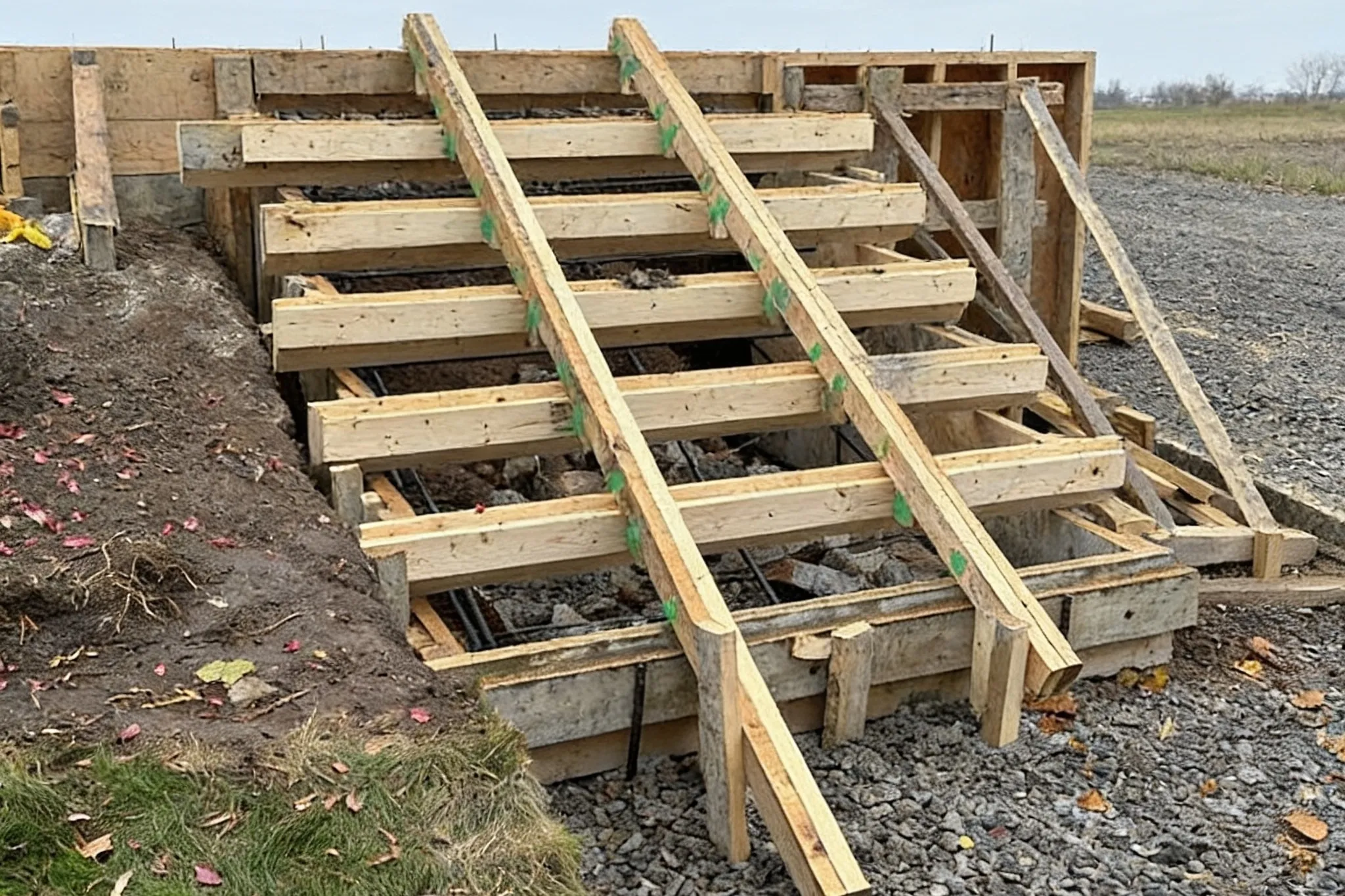
A concrete driveway is not just a slab poured on top of the dirt. The process starts with excavation, usually six to eight inches deep, then a compacted gravel base, then forms and reinforcement. In Norfolk County, the frost line runs about four feet down, so proper drainage and a gravel base that allows water to escape are critical. Without that, even the best concrete will crack when the ground freezes and lifts.
I talked to several concrete contractors before settling on a crew for my own project. The ones who had been working in the county for ten years or more all said the same thing: the mix design matters as much as the pour. A five-bag mix with air entrainment handles the salt and freeze-thaw better than a standard mix. And finishing is an art. A good finisher knows when to start troweling, when to stop, and how to control the surface texture so it is slip-resistant but still smooth enough to shovel in winter.
Many people do not realize that concrete continues to cure for weeks after it is poured. Keeping it moist during that period, especially in the hot summer months, prevents surface cracking. That is one reason why hiring union-certified crews can make a difference. They train on those details year after year, and they bring that discipline to every job.
Comparing Concrete to the Alternatives
I have lived with gravel, asphalt, and now concrete, so I can speak from experience on each.
- Gravel driveway: Cheap upfront, but you will buy more stone every spring. Dust gets into the house. Snowplowing pushes the gravel into the lawn. And if you have a low car, expect to hear stones pinging the undercarriage all summer.
- Asphalt: Softer than concrete, so it deforms under heavy vehicles and hot sun. Requires seal coating every two or three years. Cracks get filled with cold patch, which looks like a scar. Life expectancy is around fifteen to twenty years with good maintenance.
- Interlocking pavers: Attractive, but the joints need polymeric sand replenished regularly. Weeds and ants find the gaps. Over time, the base can settle unevenly, creating dips that hold water.
- Concrete: Higher initial cost, but with proper installation it can last thirty to fifty years with minimal maintenance. It stays cleaner, reflects heat better in summer, and holds up to heavy vehicles without rutting.
I am not saying concrete is perfect for every situation. If you are on a tight budget and plan to move in five years, asphalt might make more sense. But if you intend to stay, the math usually favours concrete.
Finishes That Work in Norfolk County
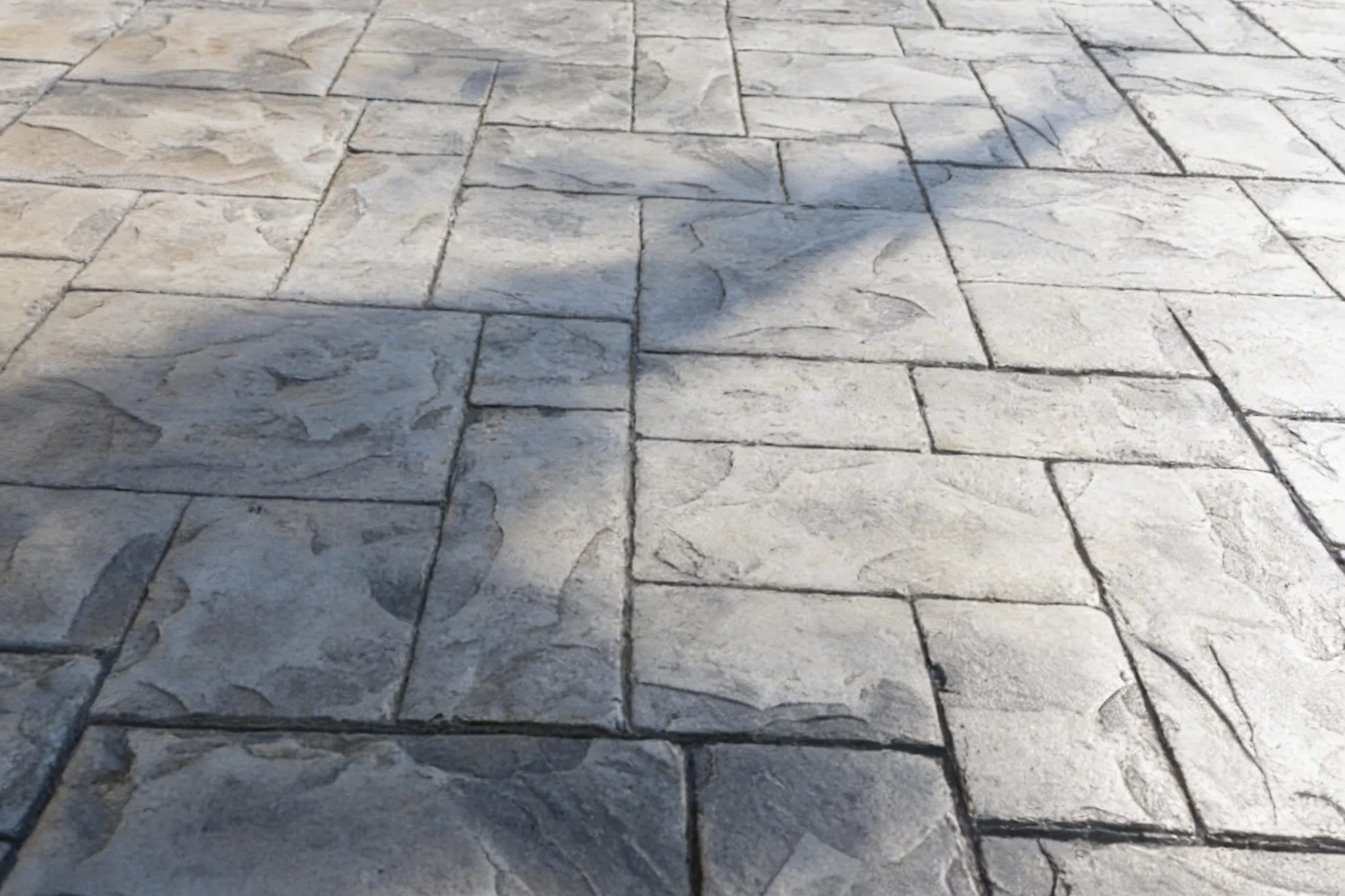
Plain grey concrete is functional, but there are options that add curb appeal without sacrificing durability. Stamped concrete, for instance, can mimic the look of stone or brick. The pattern is pressed into the surface while the concrete is still wet, then a colour hardener is applied. I have seen stamped concrete driveways in Norfolk County that look like they belong on a magazine cover. The downside is that the texture can hold a bit more snow, so you need to be careful with the shovel. A plastic blade helps.
Exposed aggregate is another finish that works well here. The top layer of cement is washed away to reveal the small stones beneath. It gives a natural, textured surface that is extremely slip-resistant. I have it on my own patio, and after six winters it still looks good. The main trade-off is that the surface is slightly rougher, so it can be harder to sweep clean, but for a driveway that is rarely an issue.
One thing I always recommend is applying a concrete sealer after the first year. It protects against salt and oil stains, and it makes the surface easier to clean. A good sealer will last two to three years before it needs reapplication. That is a small effort for the lifespan you get in return.
Seasonal Maintenance and Repair Work
Even the best concrete driveway will need occasional attention. Small cracks can be filled with a polyurethane caulk made for concrete. If a larger crack appears, it is usually a sign that the base moved, and that needs to be addressed before it gets worse. Many concrete contractors offer repair work for exactly that reason. I have had to patch a couple of hairline cracks in my own driveway, and it took about an hour each time.
Seasonal maintenance for concrete is simple: keep it clean, seal it every few years, and do not use metal shovels or ice picks on the surface. A good snowplow operator knows to keep the blade an inch above the concrete to avoid scraping. If you do that, the driveway will outlast most of the other improvements you make to your property.
I have also seen what happens when people neglect their driveway for a decade. The surface spalls, the edges crumble, and eventually the whole thing needs to be torn out. That is expensive. A little regular care goes a long way.
Why the Installation Matters More Than the Mix
I have watched crews pour concrete on a hot July day and rush the finishing because they wanted to get to the next job. The result was a driveway that looked fine for the first year, then started dusting on the surface. The homeowner ended up paying for a resurface after three years. That could have been avoided with proper timing and technique.
Experienced contractors know that concrete finishing is not something you can rush. They understand how temperature, wind, and humidity affect the set time. They use the right tools and they take the time to edge and joint the slab so that cracks happen in the control joints rather than across the middle of the driveway. That kind of knowledge comes from years of work, not from reading a manual.
That is also where the Cement Association of Canada provides useful guidelines for mix design and curing. Following those recommendations is not just about meeting a standard; it is about ensuring the concrete performs as intended in a specific climate like southern Ontario.
Getting Started With Your Own Project
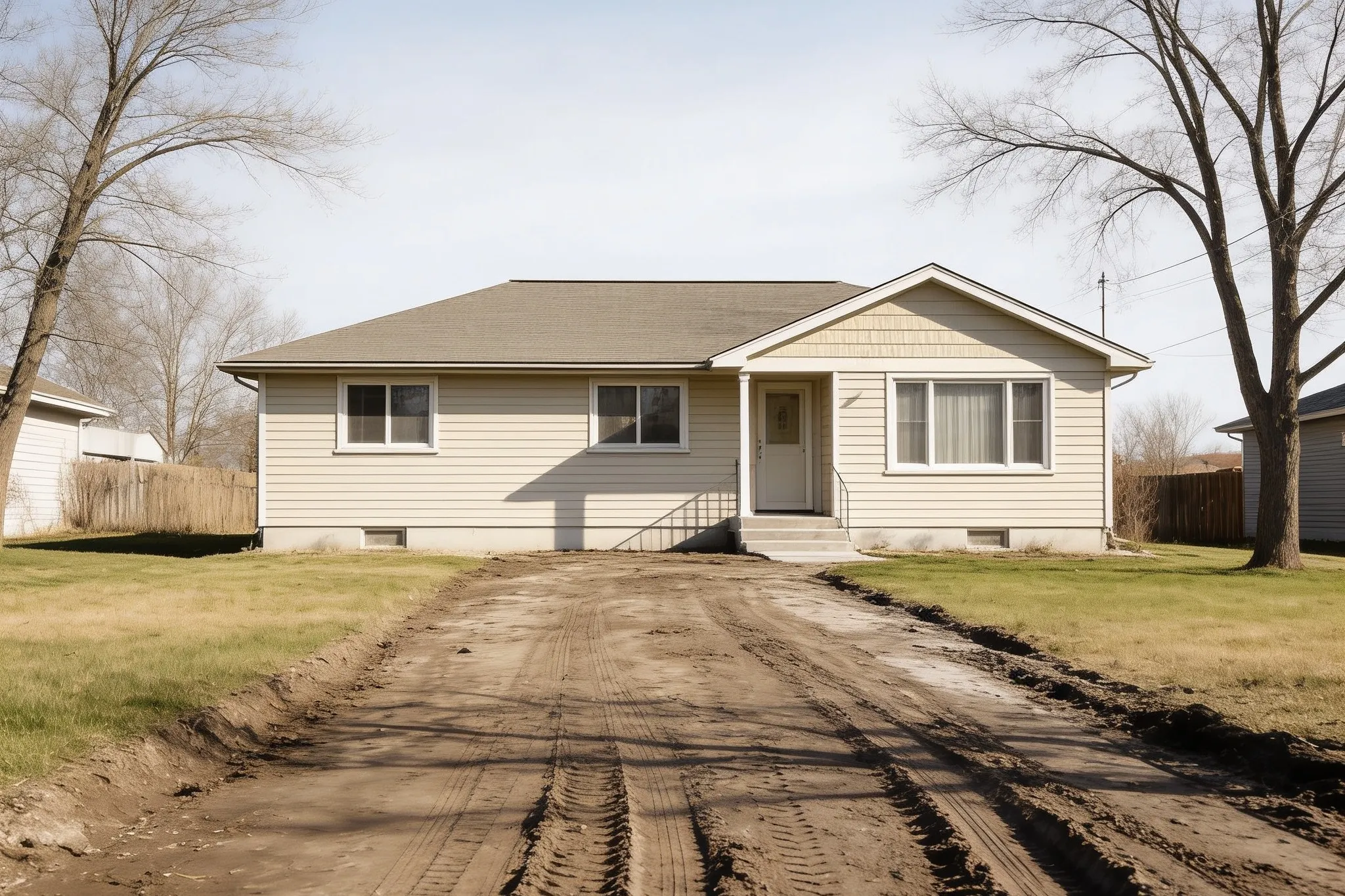
If you are considering a concrete driveway for your home in Norfolk County, the first step is to get a few free quotes from local contractors. Ask them about their base preparation, the mix they plan to use, and whether they include reinforcement. A good contractor will walk you through the process and explain why they recommend certain details. They should also talk about the finish options and help you choose one that fits the style of your home and your budget.
I have seen too many homeowners pick the cheapest quote and then regret it when the driveway starts showing problems. The price difference between a mediocre installation and a great one is usually small compared to the cost of fixing a failure. Take the time to find someone who knows the local ground conditions and has a track record of good work.
For anyone in Norfolk County looking at residential concrete options, a concrete driveway is a solid investment that pays for itself in durability and low maintenance. It is not the cheapest option upfront, but over the long term it often ends up being the most economical choice. And it looks good doing it.